A Jewish Wedding: Traditions, Meaning & Preparation
Understand the chuppah, kiddushin, ketubah, and seven blessings, and plan an Orthodox Jewish wedding that respects your families’ Sephardic customs.
A Jewish wedding asks a couple to do something both public and deeply personal. In front of witnesses and surrounded by people who love them, they take on obligations that will matter long after the music stops. A canopy, a ring, a written agreement, and blessings over wine give that moment its shape. Knowing what each part means can make the chuppah feel less like a sequence to memorize and more like the beginning of a Jewish home.
What happens beneath the chuppah?
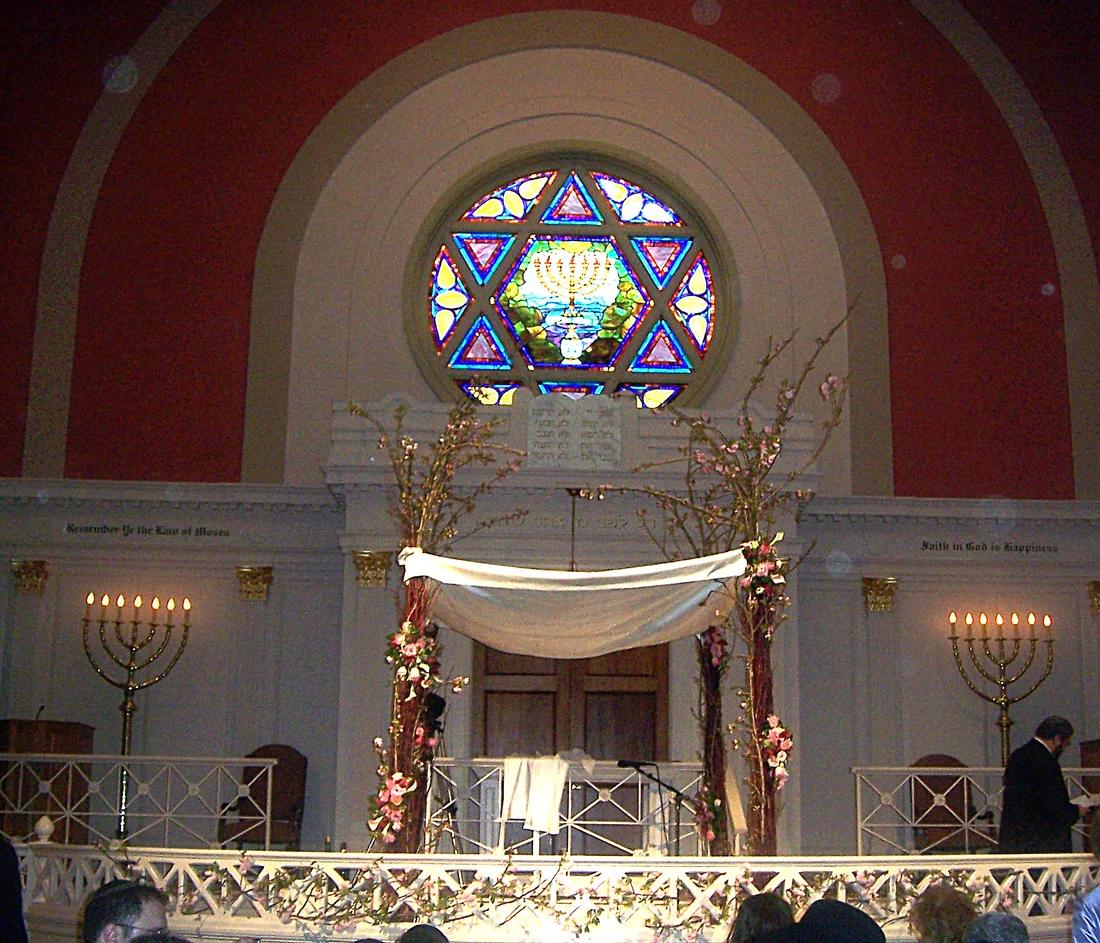
The chuppah is the wedding canopy. Its open sides can be understood as an image of a home that welcomes others. The ceremony brings together two stages that Jewish law distinguishes: kiddushin, also called erusin, and nissuin, the completion of the marriage. Today they normally take place in one ceremony. The rabbi can walk you through the order at a rehearsal or planning conversation, including where you stand and when you respond.
Kiddushin and the ring
In a traditional Orthodox ceremony the groom gives the bride a ring in the presence of qualified witnesses and says the formula of kiddushin. The ring is usually a simple band. The bride’s willing acceptance and the witnesses’ ability to see the act are important. Ask your officiant to confirm the ring and the witnesses beforehand. If you plan a second ring or personal words, discuss where to place them in the celebration so guests can distinguish the ritual from a personal gesture.
The ketubah
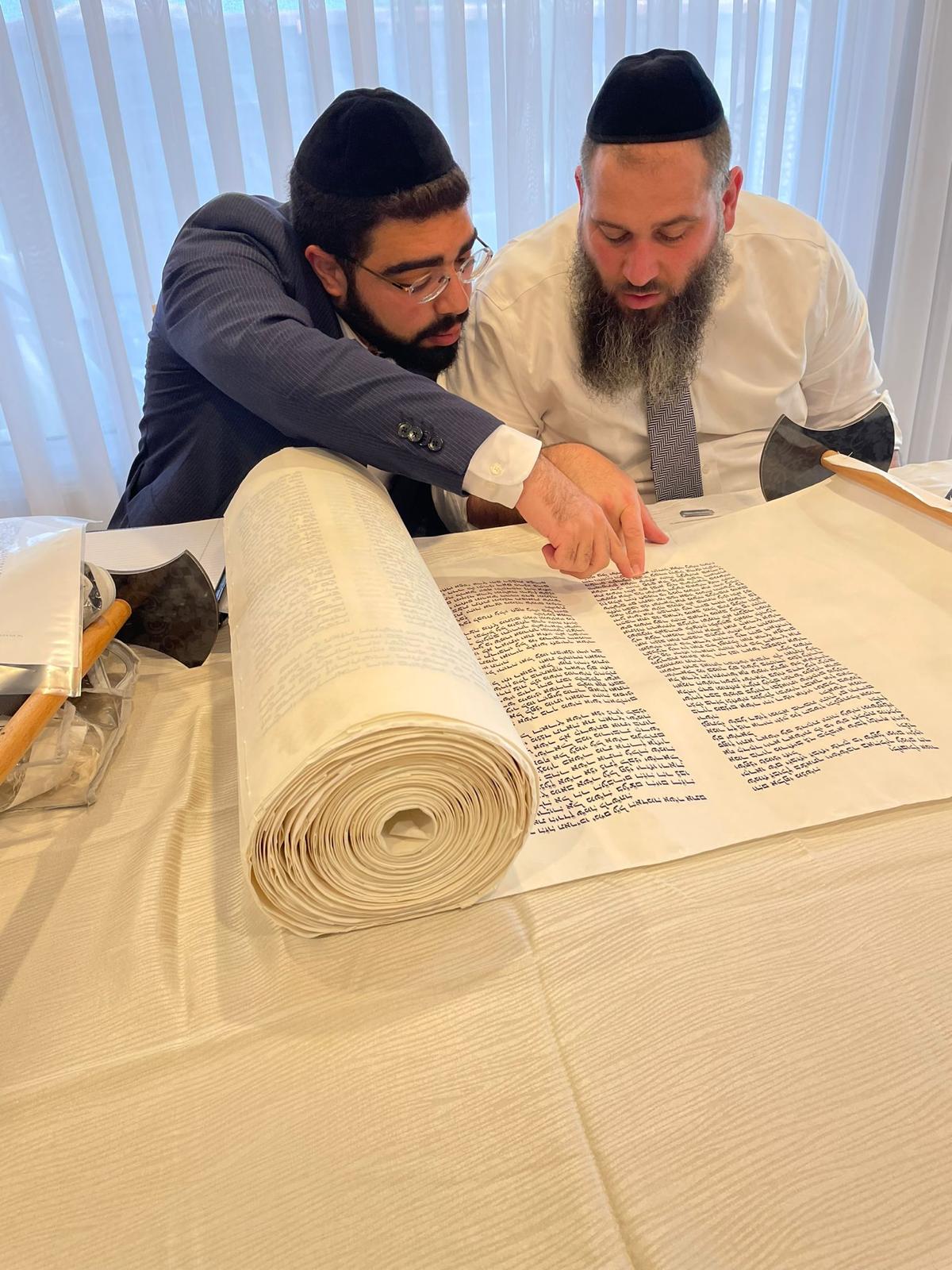
The ketubah is a Jewish marriage document that records obligations the husband undertakes toward his wife. It is often beautifully decorated and displayed, but the text and execution matter more than the design. The officiant may need Hebrew names, parents’ Hebrew names, and details that affect the wording. Send those privately and early. Have the rabbi approve the text before you order an illuminated copy. The ketubah is commonly read aloud, at least in part, during the ceremony. In the United States, confirm civil licensing and filing separately with the officiant and local marriage office.
The Sheva Brachot
The seven blessings draw the couple’s joy into a larger story. They speak of creation, human companionship, Jerusalem, and the sound of bride and groom rejoicing. They are recited under the chuppah, and they may also be recited at festive meals in the days that follow when the applicable conditions are met. If you want to honor relatives or friends with blessings, give the rabbi their names in advance and ask about eligibility and pronunciation. A short printed explanation can help guests recognize what they are hearing without interrupting the service.
Sephardic customs and the customs of your families
A Sephardic chuppah may have melodies a family knows from synagogue or songs passed down through grandparents. In some communities a tallit is associated with the couple or the blessings beneath the canopy. Families may also have traditions surrounding the procession, the blessings, and the gathering afterward. Moroccan, Syrian, Turkish, Iraqi, and Jerusalem practices do not form a single script. Even two families who use the same name for their custom may remember it differently.
Start with details that someone can actually describe: a melody, a family tallit, a grandparent’s words, or a particular way of welcoming guests. Ask who remembers it and what it means to them. If two practices seem incompatible, give both families a chance to explain what matters before making a decision with the officiant. Sometimes a melody fits naturally under the canopy, while another belongs at the reception. That gives each custom a place without turning the ceremony into a contest between families.
A preparation plan for the couple
Before booking the venue
Share the proposed date, city, and venue with the officiant early. The Hebrew calendar, Shabbat, festivals, and family customs can affect scheduling. An outdoor canopy also needs an indoor plan for weather. Ask who will confirm the civil requirements, which documents the officiant needs, and whether the venue can support the ceremony and any applicable kashrut arrangements. Leave enough time for a conversation about Jewish married life as well as the logistics.
In the final weeks
Agree on the order of the procession, the people being honored, and who is responsible for the ring, ketubah, wine, and glass. Check whether the witnesses can arrive before the ceremony. Give the photographer and planner the same short running order as the rabbi. At the venue, look at the canopy from the guests’ seats and check the microphone. If parts will be in Hebrew, a brief English program can explain them in plain language. It can also tell guests when to stand, what to expect at the end, and whether there are any practical requests about photography.
Beyond the wedding day
Talk together about one practice you want to begin after the wedding. It could be inviting someone to your Shabbat table, learning a short text together, or choosing how to make space for family traditions in your calendar. A home acquires its character through small choices made repeatedly. The blessings spoken at the wedding give you language for what those choices can build.
Frequently asked questions
How long does the ceremony take?
Timing varies with the procession, the reading of the ketubah, musical choices, and the venue. Ask your officiant for an estimate based on the actual order you’ve planned, and give the planner some room around it.
Can guests follow if they don’t know Hebrew?
Yes. A one-page guide or a few brief spoken explanations can help guests understand the ring, document, and blessings. Let the rabbi know what languages your guests speak before deciding on a format.
Who chooses the witnesses?
Talk with the officiant before promising those honors. Witnesses have a formal role, and the rabbi will confirm suitability for the particular ceremony and documents.
What if our families have different customs?
Share both families’ practices early. Ask which elements belong in the ceremony and which can be honored at another point in the celebration.
Planning your chuppah
If you are considering Rabbi Halevi as your officiant, explore his Jewish wedding services, read about his Jerusalem and Sephardic background, and contact him with your proposed date, city, and the customs you would like to discuss.