Insights & Teachings
A Jewish Wedding: Traditions, Meaning & Preparation
Understand the chuppah, kiddushin, ketubah, and seven blessings, and plan an Orthodox Jewish wedding that respects your families’ Sephardic customs.
Read articleRabbinic services
Preparing for a Jewish home, through learning and tradition.
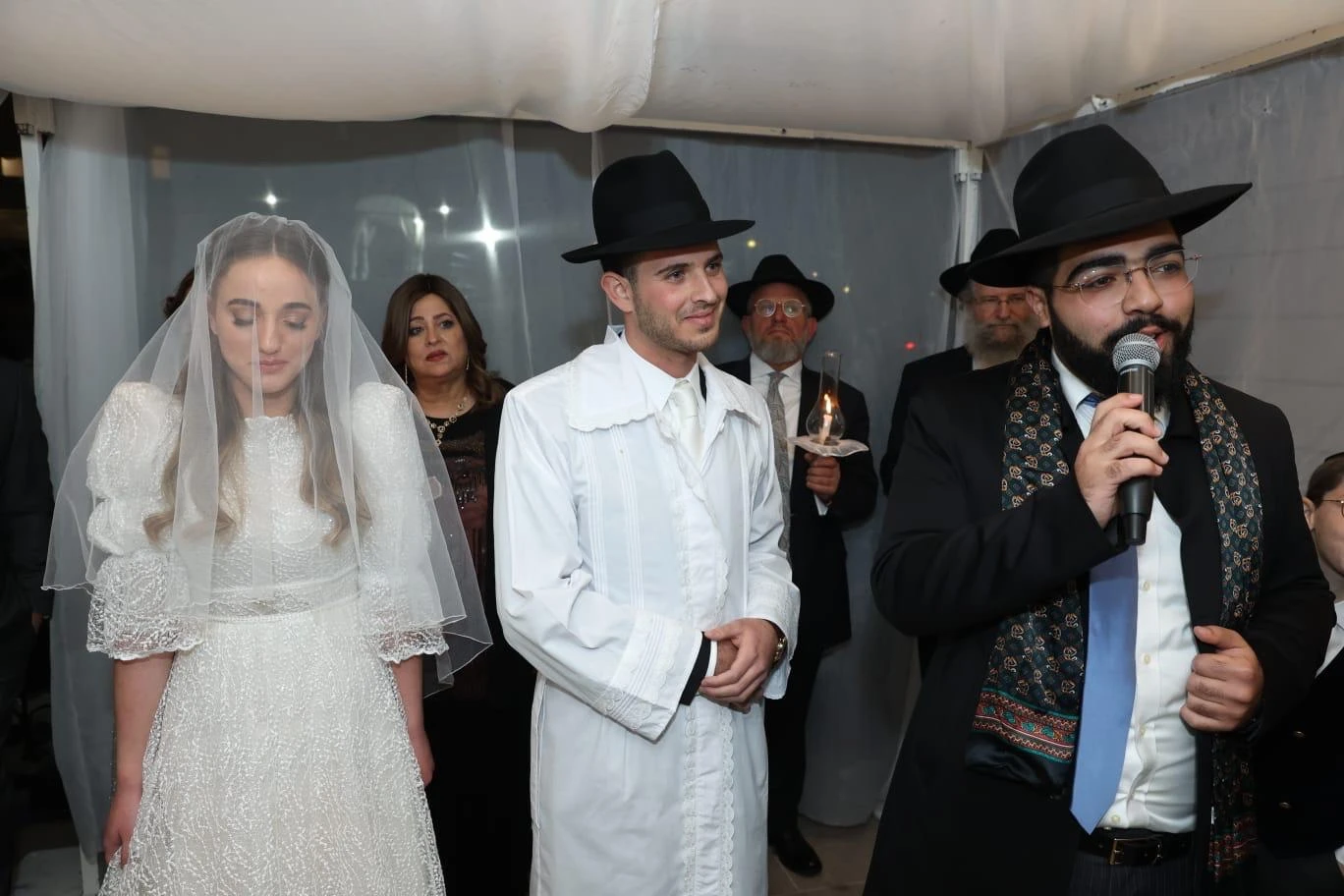
Rabbi Halevi accompanies couples preparing for a Jewish wedding within Orthodox Jewish tradition. His Sephardic background gives a place to the family's customs while the conversation remains focused on the couple and the home they are preparing to build.
Preparation is an opportunity to ask about the meaning of the chuppah and kiddushin, discuss family participation, and understand what needs to be arranged before the wedding. Bring your questions and customs into the conversation so the ceremony and preparation can be considered together.
Before the simcha, bring the proposed date, venue, and any questions about the ketubah or chuppah. If the two families have different customs, sharing them early gives both sides room in the conversation.
Tell Rabbi Halevi where you hope to marry, which traditions you grew up with and what your guests might need explained. Use the first conversation to talk through the ceremony, the ketubah and the roles you hope loved ones will play. If you come from different communities, bring up both families’ minhagim early.
Jewish weddings
No mandatory rabbinic service fee. Voluntary donations are welcome.
Yes. Share the customs of your families, including any Moroccan or Jerusalem traditions you wish to discuss. The appropriate ceremony arrangements and preparation should be agreed directly with Rabbi Halevi.
A tentative date and venue, any customs you want to discuss, and questions about the ceremony. Ask the rabbi what paperwork may be needed for your situation.
No mandatory rabbinic service fee. Voluntary donations are welcome.
Rabbi Halevi is based in Las Vegas and serves Jewish communities nationwide. Please reach out to discuss availability for your occasion.