Preparing for a Bar Mitzvah: A Meaningful Jewish Milestone
Plan a meaningful Bar Mitzvah with a flexible practice timeline, guidance on the first aliyah and Torah reading, and a look at Sephardic customs.
A boy learning for his Bar Mitzvah may know what the ballroom will look like before he knows what it means to be called to the Torah. One useful early conversation starts with him: What are you looking forward to? What feels difficult? What would you like to be able to do in synagogue after the celebration? His answers can shape a preparation plan that gives him a real place in Jewish life.
What changes at Bar Mitzvah?
Bar Mitzvah means becoming personally responsible for the mitzvot that apply to him. In the ordinary case a Jewish boy reaches this milestone at thirteen according to the Hebrew calendar. Confirm the date and any relevant halachic questions with the rabbi. The celebration marks a change that does not depend on how much he reads, how many guests attend, or whether the synagogue gathering is on the birthday itself. Parents have helped him practice mitzvot for years. Now he is beginning to take responsibility for them himself, with the family still there to teach and support him.
Torah reading and the first aliyah
An aliyah is the honor of being called to the Torah and saying the blessings associated with the reading. Reading aloud from the scroll is a distinct skill. Some boys read part of the weekly portion, some read maftir or a haftarah where appropriate, and some say the blessings while the regular reader chants. A weekday service with Torah reading may also be an option, depending on the date and synagogue. Before choosing an assignment, confirm the Hebrew birthday, the service date, and what the synagogue expects. Check the actual reading with the gabbai or rabbi.
Learning the words and their music
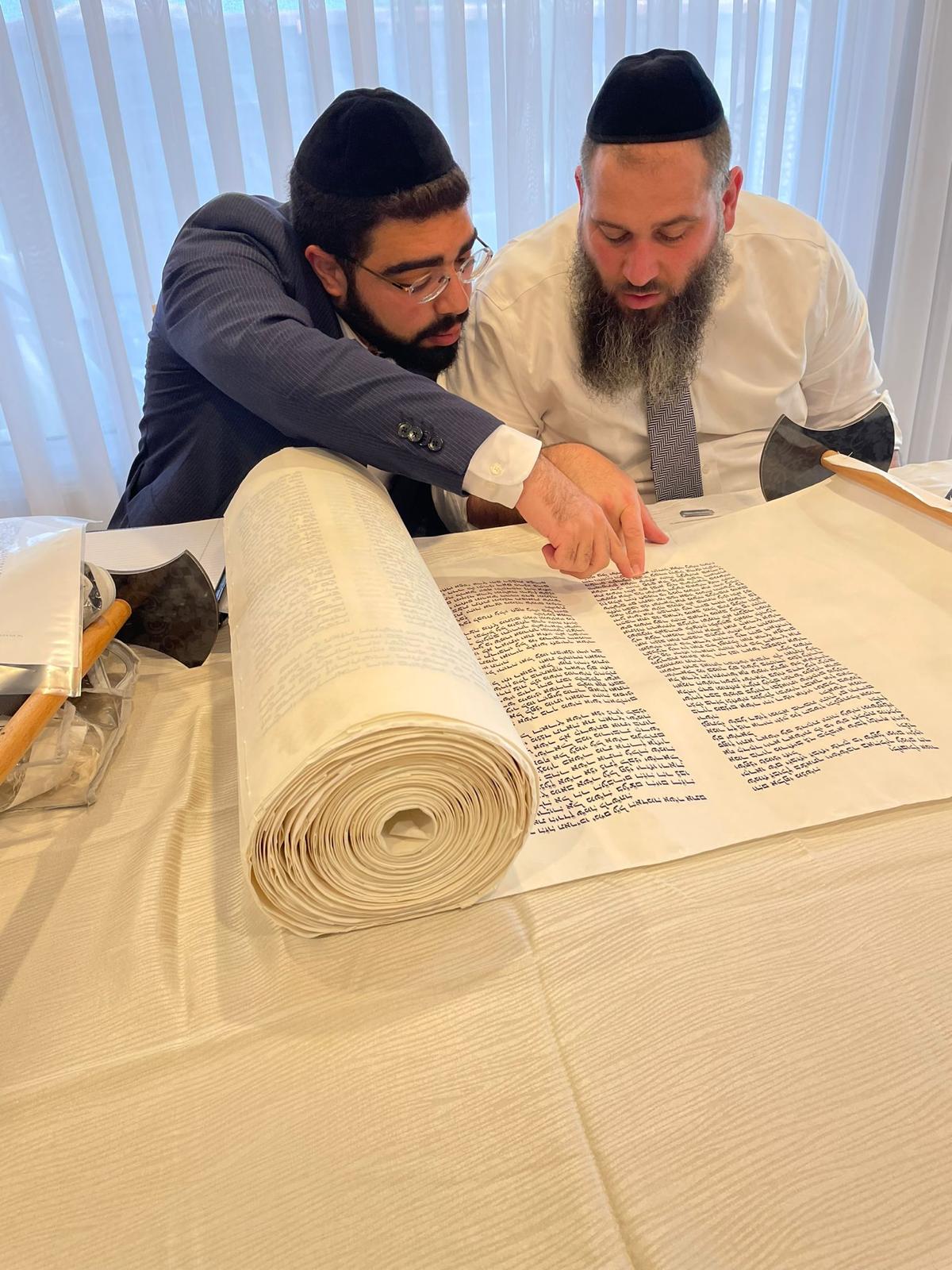
A Torah scroll has no printed vowel signs or cantillation marks. Students usually start from a marked text and gradually practice with an unmarked version, often using a tikkun that shows both formats. Ask the teacher for a recording of the exact verses and melody the boy will use. Break the assignment into phrases. Read the words accurately before trying to sing them, and learn enough of the meaning to know where one thought ends and another begins. A few short, regular practices leave more room for questions than a single long lesson on the weekend.
Preparing for the synagogue itself
Rehearse the whole sequence at least once: where to wait, how the gabbai will call him, which blessings he will say, and where he should go afterward. If the synagogue permits, practice at the bimah when the room is quiet. Ask who will prompt him if he loses his place. A clear plan for a mistake often reduces worry more than another run through the whole reading. Discuss accessibility needs privately with the teacher and synagogue. The amount of public reading can be chosen around the student’s strengths and the community’s practice.
Tefillin and Sephardic traditions
Tefillin are worn in weekday morning prayer according to the applicable practice. Learning to put them on involves more than remembering a series of movements. A teacher can explain the passages inside them, how to handle them respectfully, and the customs that govern the blessings and wrapping. Ask a trusted rabbi or qualified sofer to help with obtaining an appropriate set. In some Sephardic communities a boy starts practicing before his thirteenth birthday. Some families mark the beginning of tefillin with a weekday gathering. The start date, manner of practice, and the celebration vary, so confirm them with the rabbi and your community.
Sephardic communities also use different melodies for Torah and haftarah. A recording from another synagogue may sound familiar without matching the local reading. If the family wants to carry forward a Jerusalem, Moroccan, Syrian, or other tradition, bring a recording or ask a relative to demonstrate what they remember. Agree with the teacher and the synagogue on the version the student will learn so he can practice consistently.
A practical preparation timeline
Six to twelve months out
Use this as a planning window, especially if the student is new to Hebrew reading or the synagogue schedules far ahead. Confirm the date and service before booking travel. Ask the teacher to listen to the student read and recommend a manageable assignment. Discuss tefillin, family customs, and what the student wants to learn. A student who already reads confidently or plans a smaller role may need less lead time.
Two to four months out
Set a short practice routine, check progress, and adjust the assignment if needed. Learn the blessings separately so they feel familiar even when the room is full. Begin rehearsing from the unmarked text when the teacher thinks he is ready. If he wants to give a d’var Torah, start with one question or verse that interests him and help him explain it in his own words.
In the final weeks
Practice at the venue if possible. Confirm honors, pronunciation of Hebrew names, and timing with the gabbai. Keep one person responsible for communicating with the synagogue. Plan something for the first ordinary week after the celebration, such as learning a passage with a parent or attending a weekday service together. That gives the preparation somewhere to lead.
Frequently asked questions
Does he have to read the entire portion?
No. Agree on a role with the synagogue and teacher. An aliyah, a shorter reading, or another appropriate part of the service can be meaningful.
What if he is still learning Hebrew?
Tell the teacher early. Start with the blessings and a manageable passage, using marked text and recordings as learning aids. Build confidence before adding more.
Can we celebrate on a different day?
The date he becomes Bar Mitzvah and the day of the public celebration can differ. Confirm the date and the synagogue’s arrangements with the rabbi.
When should he start wearing tefillin?
Customs about learning and beginning vary. Ask the rabbi when to begin and how your family’s practice handles the blessings.
Preparing for the milestone
For help choosing a reading and a realistic practice plan, explore Bar Mitzvah preparation and Torah reading lessons, or read about Rabbi Halevi’s background. If you would like to discuss lessons, contact Rabbi Halevi with your synagogue, proposed date, and your son’s current reading experience.